01 Oct, 2024
.
Saikat Garai

Exploring Different Watch Movement Types

Dive into the heart of time! Explore different watch movement types.

The Heartbeat of Timepieces: Exploring Different Watch Movement Types

The essence of a watch is defined not just by its external beauty but by its internal heartbeat. This heartbeat, known as the watch movement, is the engine that powers the watch, dictating its functionality, precision, and value. Delving into the world of watch movement types offers a fascinating journey through time and technology, revealing the artistry and innovation that lie beneath the surface of our most cherished timepieces.

The Pulse of Precision: Understanding Watch Movement Types

At its core, watch movement types refer to the internal mechanism that drives the watch's hands around the face and powers any additional features such as calendars, chronographs, or moon phases. The complexity and craftsmanship of these movements not only reflect the technical prowess of watchmakers but also the cultural and historical significance of timekeeping through the ages.

The Trio of Time: Mechanical, Quartz, and Automatic Movements

At the heart of watchmaking lie three primary watch movement types: mechanical, quartz, and automatic. Each type has its unique charm, history, and engineering marvel, making the world of watches incredibly diverse and interesting.


  • Mechanical Movements: The Traditionalist’s Choice

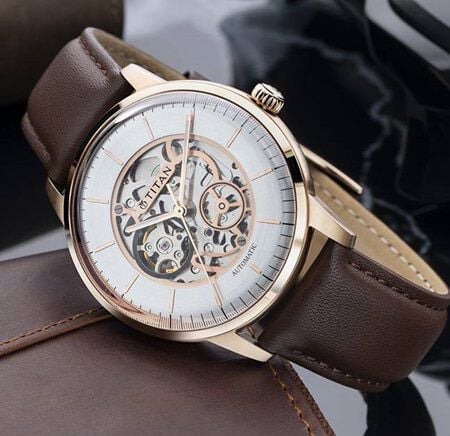
Mechanical movements are the oldest watch movement types, revered for their craftsmanship and aesthetic appeal. They function through a complex system of springs and gears, all working in harmony to measure the passage of time. The mainspring, when wound, stores energy that is gradually released through the gear train to the hands of the watch, moving them at a measured pace.

Owning a mechanical watch is like keeping a piece of history on your wrist. It's about appreciating the artistry and the manual effort that goes into each piece. The need to wind the watch regularly creates a tangible connection between the timepiece and its wearer, a daily ritual that reminds us of the value of time.


  • Quartz Movements: The Modern Maestro

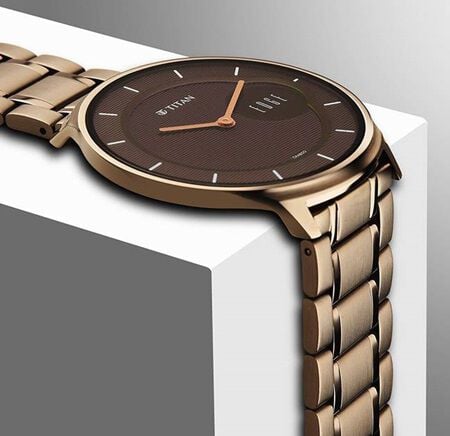
In contrast to the traditional mechanical movement, quartz movements are a product of modern science. They were introduced in the 1960s, revolutionising the watch industry with their accuracy and reliability. Quartz movement timepieces like Titan’s sleek Edge collection is powered by a battery, which sends an electrical signal through a small quartz crystal, causing it to vibrate. These vibrations are measured to keep time with remarkable precision.


Quartz movements are known for their minimal maintenance and high accuracy, making them a popular choice for everyday wear. They offer a hassle-free experience for those who value simplicity and functionality, embodying the pace and practicality of modern life.


  • Automatic Movements: The Best of Both Worlds

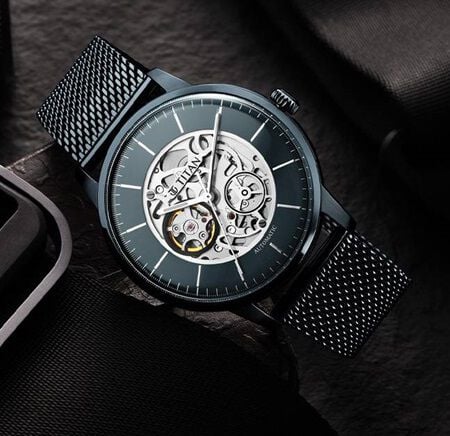
Automatic movements, also known as self-winding movements, bridge the gap between mechanical tradition and modern convenience. They are essentially mechanical movements that wind themselves as a result of the wearer's natural arm movements. A rotor, attached to the movement, spins with each motion, transferring energy to wind the mainspring.


Automatic watches carry the soul of traditional watchmaking with the added perk of convenience. They cater to those who admire the mechanical complexity of watches but prefer not to wind their timepiece manually.

Choosing Your Beat: Selecting the Right Movement

When it comes to choosing a timepiece, understanding the different watch movement types can guide you to a watch that resonates with your lifestyle and values. If you're drawn to the romance of mechanical gears and the ritual of winding your watch, a mechanical movement might speak to you. If practicality and accuracy top your list, a quartz watch could be your perfect match. And if you're looking for a blend of tradition and convenience, an automatic watch could be just right.

The Symphony of Timekeeping

In the world of timepieces, the watch movement types are more than just a mechanism. They are the soul of the timepiece. As technology advances and the boundaries of innovation are pushed further, the future of watch movement types promises even more exciting developments. But at the core, the timeless appeal of watching a watch's hands sweep across the dial, powered by the intricate dance of gears and springs or the precise oscillations of a quartz crystal, remains unchanged. This is the heartbeat of timepieces, a rhythm that resonates with the march of time itself.

FAQs

Quartz movements rely solely on batteries, while solar movements use light to charge a rechargeable battery, offering an eco-friendly alternative.

Yes, Titan's quartz watches often have complications like chronographs, calendars, and even moon phases, utilising electronic modules to add additional functions.

Yes, most automatic watches can be manually wound using the crown, which can be useful if the watch has stopped or if the wearer prefers to ensure maximum power reserve.

The lifespan of a quartz watch battery varies depending on usage but typically lasts 1 to 3 years before needing replacement.