17 JUL, 2024
.
How Automatic Watches Work?
How science & style collide to power automatic watches.


How science & style collide to power automatic watches.
When it comes to timeless elegance and precision, Titan's range of automatic watches stands unparalleled. These masterpieces encapsulate a blend of artistry and engineering that makes every piece unique. The charm of our automatic watches lies in their intricate mechanics and the self-sustaining nature that sets them apart from their battery-powered counterparts.
For many watch enthusiasts, owning an automatic watch is a celebration of craftsmanship, innovation, and heritage. But what exactly makes these watches so special? And how do automatic watches work? In this blog, we will explore the fascinating world of Titan's automatic watches, understanding the science behind their operation and why they are a must-have for anyone who wants both style and substance.
Log In To Unlock Up To 10% Off* On Your Purchase

At the heart of every automatic watch lies an intricate mechanism known as the movement. This is where the magic happens. Unlike quartz watches that rely on batteries, automatic watches operate purely on mechanical principles. So, how does a mechanical watch work?
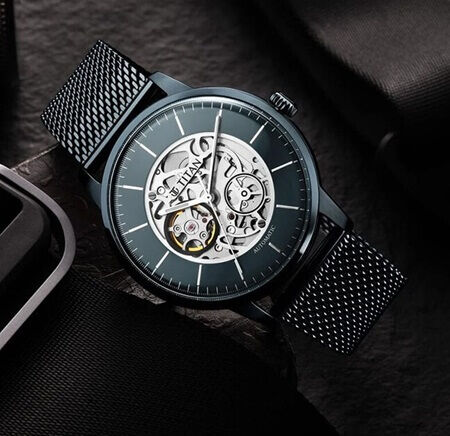
Automatic watches are powered by the natural motion of the wearer. Inside the watch, a small semicircular rotor spins with the movement of your wrist, winding the mainspring. The energy stored in the mainspring is then gradually released, powering the watch. This self-winding mechanism is what makes automatic watches fascinatingly autonomous.
To understand how do automatic watches work, imagine a tiny, sophisticated machine working seamlessly on your wrist. The rotor, usually made of a dense metal like tungsten, oscillates with every movement you make. As it turns, it winds the mainspring – the energy reservoir of the watch. This process eliminates the need for manual winding if the watch is worn regularly.
Still wondering how does a mechanical watch work precisely? It’s all about the gears and escapement. The mainspring’s energy is transmitted through a series of gears and wheels, which regulate the release of energy to the escapement. The escapement controls the energy flow, ensuring the hands move at a consistent rate. This elegant dance of components is what makes automatic watches not just timepieces, but works of art.
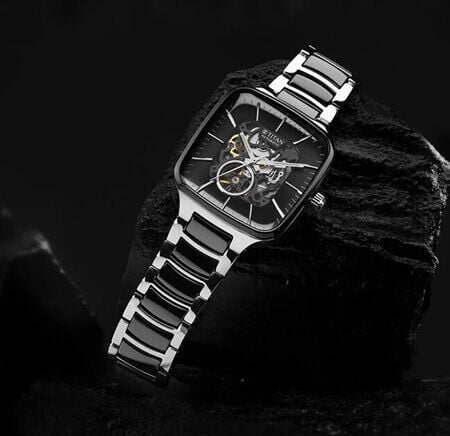
Now that we've explored how do automatic watches work, let's discuss why Titan's automatic watches are a must-buy.
Beyond functionality, our automatic watches are renowned for their aesthetic appeal. The brand offers a diverse range of designs, from classic and understated to modern and bold. Each watch is crafted to complement different styles, making them suitable for any occasion. Whether you prefer a leather strap or a stainless-steel bracelet, Titan has a watch that fits your personal style.
Understanding automatic watches and how do they work also highlights their sustainability. Since they do not require batteries, automatic watches are more environmentally friendly compared to their quartz counterparts. Moreover, the self-winding mechanism means you don’t have to worry about replacing batteries, offering convenience and peace of mind.
We combine heritage with innovation. Our brand’s legacy in watchmaking is evident in its dedication to quality and innovation. Titan continuously integrates modern technology with traditional watchmaking techniques, ensuring that each automatic watch is at the forefront of horological advancements.
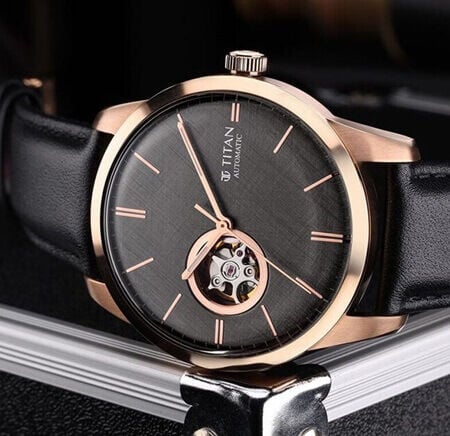
Owning an automatic watch also involves understanding how does a mechanical watch work in terms of maintenance. Here are a few tips to keep your watch in prime condition:
Titan’s range of automatic watches offers more than just a way to tell time. They are a celebration of meticulous engineering, aesthetic elegance, and timeless style. By understanding how do automatic watches work, you can appreciate the blend of science and art that goes into each piece. Whether you're a seasoned collector or a first-time buyer, a Titan automatic watch is a worthy investment that embodies both heritage and innovation.
In a world where technology is constantly evolving, the lasting appeal of our automatic watches lies in their mechanical heart – a testament to the enduring charm of traditional craftsmanship. So next time someone asks, automatic watches - how do they work, you’ll not only have the answer but also a deeper appreciation for the marvel that is a Titan automatic watch.
While not necessary if worn daily, manually winding your watch if it has not been worn for a while can kickstart the mechanism.
It is recommended to service your automatic watch every 3 to 5 years to ensure optimal performance.
First, try manually winding the watch by turning the crown 20-30 times. If it still doesn’t work, it may need professional servicing.
Yes, most Titan automatic watches are water-resistant, but the degree of resistance varies by model. Check your specific model’s specifications for details.
Titan’s automatic watches generally come with a 2-year warranty covering manufacturing defects. The warranty does not cover normal wear and tear, batteries, glass, straps, or any damage caused by unauthorised service.
Yes, we ship products internationally, but available options and shipping costs vary. Check our website or contact customer service for specifics.
Removed from the wishlist
Product moved to cart
Add minimum 2 products to compare
You may compare up to 4 items at a time
Added to wishlist

Visiting from Outside of India?
You can switch to view information tailored to your location.